
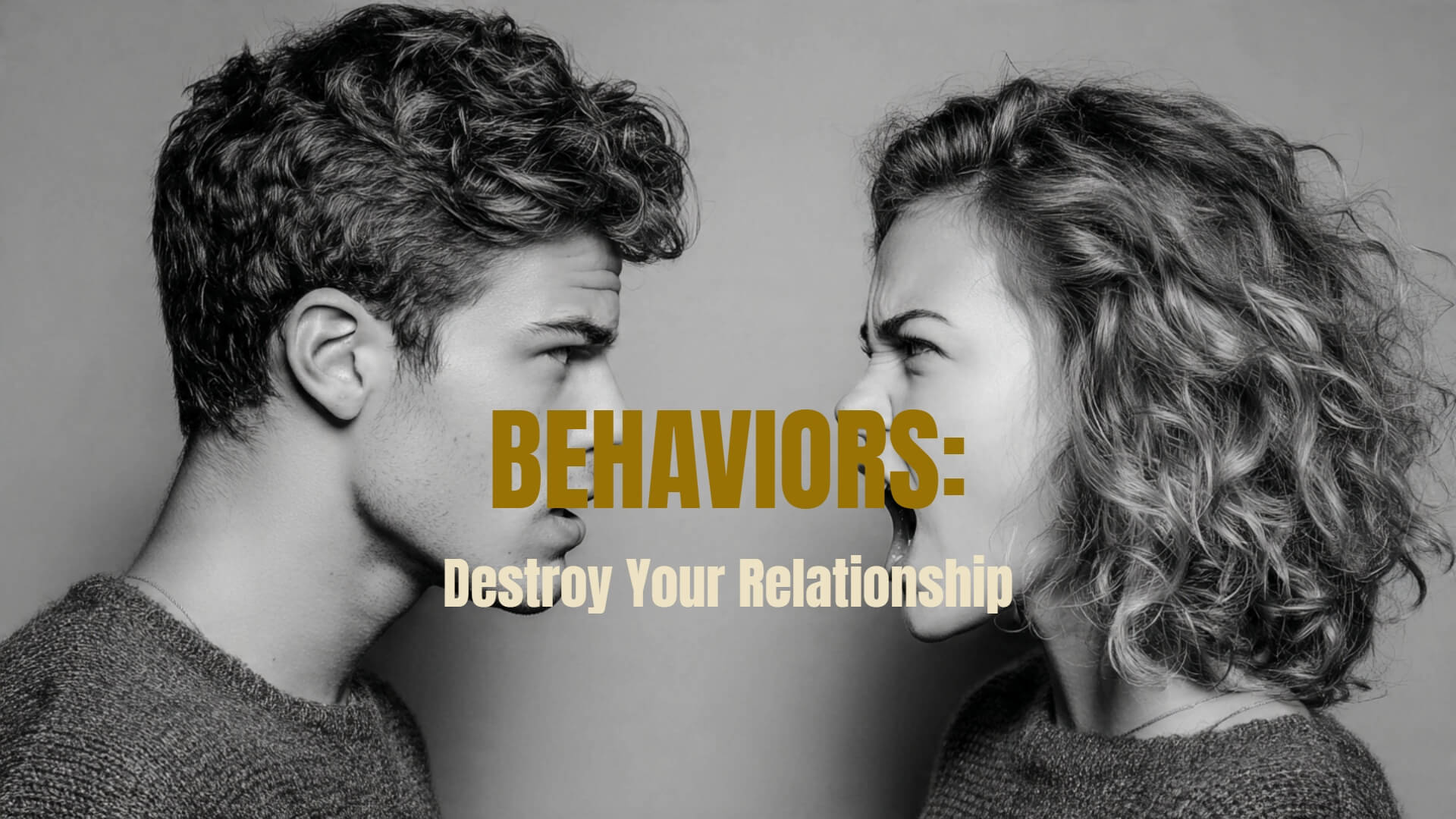
In professional settings, behaviors that kill relationships are crucial to recognize and address proactively. Communication breakdown, lack of accountability, and dishonesty are among the primary culprits. When individuals fail to communicate clearly and promptly, misunderstandings can escalate, leading to diminished trust and collaboration.
Behaviors
FTC Disclosure: www.nennette.com may receive financial compensation when the affiliate link(s) on this page are clicked on, and a purchase is made.
Accountability plays a pivotal role in maintaining healthy relationships; when one party shirks responsibility or fails to deliver on commitments, it can strain even the most robust partnerships. Moreover, dishonesty breeds mistrust and undermines the foundation of any relationship, be it personal or professional. Understanding and actively working to mitigate such detrimental behaviors can pave the way for stronger. Building relationships that are more durable over time.
In any relationship, whether it be romantic, platonic, or professional. Certain behaviors can be detrimental and can ultimately lead to the demise of the relationship. It is essential to be aware of these behaviors and work towards avoiding them to maintain healthy and strong relationships. Look into Seven Typical Behaviors that Can Damage Relationships and Techniques for Managing Them.
Constant Criticism and Contempt
Constantly criticizing your partner or showing contempt towards them can be extremely damaging to a relationship. It can chip away at their self-esteem and create a toxic environment. Instead of focusing on their flaws, try to appreciate their strengths and communicate openly and respectfully when addressing issues.
Keeping Score and Weaponizing the Past
Keeping score of past mistakes or using them as ammunition in current arguments is a sure way to destroy trust and intimacy in a relationship. It is important to let go of past grievances and focus on moving forward together. Remember, forgiveness is key to a healthy and thriving relationship.
Emotional Withdrawal as Punishment
Using emotional withdrawal as a form of punishment can create distance and resentment between partners. Instead of shutting down or giving the silent treatment, try to express your feelings and needs openly and honestly. Effective communication is crucial for resolving conflicts and building stronger connections.
Making Him Responsible for Your Happiness
Relying on your partner to fulfill all your emotional needs and make you happy is unfair and unsustainable. It is essential to take responsibility for your own happiness and well-being. Cultivate your own interests, hobbies, and friendships to maintain a sense of identity outside of the relationship.
Behaviors: Controlling and Micromanaging
Being overly controlling or micromanaging your partner’s actions can stifle their independence and autonomy. Trust is essential in a healthy relationship, so it is important to give your partner space to make their own decisions and grow. Respect their boundaries and allow them the freedom to be themselves.
Comparison and Competition
Constantly comparing your relationship to others or engaging in competition with your partner can create feelings of inadequacy and insecurity. Instead of focusing on external validation, try to appreciate the unique strengths and qualities of your relationship. Celebrate each other’s successes and support each other through challenges.
Refusing Vulnerability and Emotional Intimacy
Neglecting vulnerability and emotional closeness may erect a wall between partners, impeding genuine connection. It is important to be open and honest with your partner, sharing your fears, hopes, and dreams. Trust and vulnerability go hand in hand in building a strong and lasting relationship.
Conclusion: Behaviors
Healthy relationships require effort, communication, and a willingness to grow and evolve together. By being mindful of these 7 behaviors that can kill relationships, you can foster a deeper connection with your partner and create a strong foundation for a lasting and fulfilling relationship. Remember, it takes two to tango, so both partners need to be committed to nurturing and strengthening the bond between them.
Read:
Leave a Reply