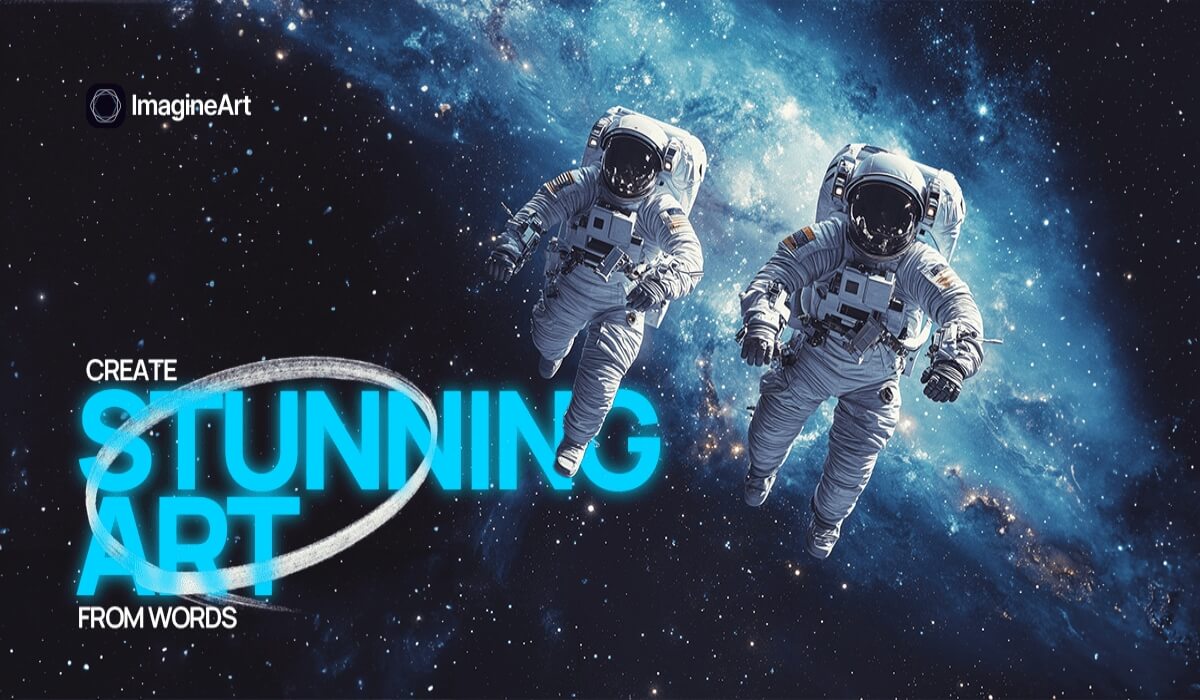
ImagineArt generation is a revolutionary field in artificial intelligence that has transformed how we view and create images. It utilizes complex algorithms and deep learning. AI-powered systems can produce stunning visual artworks with remarkable precision and creativity. These systems analyze vast amounts of data to understand patterns, styles, and aesthetics.
ImagineArt Generation
By allowing them to produce images frequently identical to those crafted by human artists. With the ability to adapt and learn from feedback, AI in ImagineArt generation continuously refines its techniques, pushing the boundaries of what is achievable in digital art. In generating realistic landscapes to abstract compositions. AI-powered ImagineArt generation is not only reshaping how we approach visual creativity. It opens up new possibilities for artistic expression and innovation.
Artificial intelligence (AI) has taken the creative world by storm, with AI-driven art generation emerging as a groundbreaking field. From producing hyper-realistic images to creating surreal, abstract pieces, the AI ImagineArt generation has redefined the boundaries of artistic expression. But what exactly is AI art generation, and why is it captivating the imagination of artists, collectors, and tech enthusiasts? Let’s dive into this fascinating intersection of technology and creativity.
What is the AI ImagineArt Generation?
FTC Disclosure: www.nennette.com may receive financial compensation when the affiliate link(s) on this page are clicked on, and a purchase is made.
AI ImagineArt generation leverages advanced machine learning models, such as Generative Adversarial Networks (GANs) and diffusion models, to create unique visual artworks. These models are trained on vast datasets of images, learning patterns, styles, and textures to generate entirely new creations. Some of the most popular tools and platforms include:
- DALL·E 2: Recognized for its capacity to create intricate and creative visuals based on written explanations.
- MidJourney: Specializes in creating visually stunning and often otherworldly artistic photos.
- Stable Diffusion: Offers open-source flexibility, allowing users to experiment with their models.
- DeepArt: Focused on style transfer, turning photos into works of art inspired by famous artists.
How Does AI Generate Art?
AI art generation typically involves three main steps:
- Training the Model: The AI is exposed to a dataset of images to learn specific patterns, textures, and styles.
- Input Prompt: Users provide input, often in the form of text, sketches, or sample images, which guides the AI’s creation process.
- Generation: The AI synthesizes a new image based on the learned data and the provided prompt. This process can produce anything from photorealistic portraits to abstract compositions.
Why is the AI ImagineArt Generation So Popular?
- Accessibility: AI art tools have democratized creativity, enabling anyone, regardless of artistic skill, to produce stunning visuals.
- Speed: Unlike traditional art methods, which can take days or months, AI can generate intricate designs in seconds.
- Boundless Creativity: AI can explore uncharted artistic territories, producing works that blend styles, genres, and concepts in ways humans might not conceive.
Impact on the Art World
AI art generation has sparked both excitement and controversy in the art community. The advancement has unveiled fresh opportunities for artistic experimentation and partnership. Many artists use AI as a tool to enhance their creative process, blending human ingenuity with machine intelligence.
Also Read: Revolutionizing Content Creation with AI Technology
On the other hand, questions about authorship and originality have arisen. Is AI-generated art truly “art,” and who owns the rights to these creations—the user, the developer, or the AI itself? These debates underscore the evolving nature of art in the digital age.
Real-World Applications
Beyond the art world, AI-generated images have practical applications in:
- Advertising and Marketing: Quickly producing tailored visuals for campaigns.
- Gaming and Film: Creating concept art, characters, and landscapes.
- Interior Design: Visualizing decor and architectural concepts.
- Education: Teaching art history and styles through interactive tools.
Challenges and Ethical Considerations
While AI art is a powerful tool, it is not without challenges:
- Data Bias: AI models may inadvertently reflect biases in their training data.
- Copyright Issues: Using copyrighted images in training datasets raises legal and ethical concerns.
- Overreliance on AI: There’s a risk that AI could overshadow human creativity, leading to a homogenization of artistic styles.
The Future of AI in Art
The advancement of AI technology will undoubtedly result in an increased role in art. Future developments may include:
- Enhanced Personalization: AI models are tailored to individual artistic preferences.
- Interactive Art: Real-time collaboration between humans and AI.
- New Art Movements: Entirely new genres and styles driven by AI capabilities.
Conclusion
AI ImagineArt generation represents a paradigm shift in the creative landscape, blending the precision of technology with the boundless nature of human imagination. Whether you see it as a tool, a collaborator, or an artist in its own right. AI is undoubtedly changing the way we perceive and produce art. As we navigate this exciting frontier, one thing is certain. The possibilities are as limitless as our imaginations.


Leave a Reply