Fashion is more than just clothing; it’s a medium for self-expression, a reflection of cultural trends, and a statement of individuality. It allows people to showcase their personalities, moods, and beliefs without uttering words. From haute couture runways to streetwear trends, the fashion world is as diverse and dynamic as the people who wear it.
A Historical Perspective on Fashion
FTC Disclosure: www.nennette.com may receive financial compensation when the affiliate link(s) on this page are clicked on, and a purchase is made.
Fashion has been integral to human history, evolving alongside societal changes. In ancient civilizations, clothing often signified status and wealth. The intricate drapery of Roman togas, the ornate embroidery of Chinese silk robes, and the elaborate patterns of African textiles tell stories of their respective cultures.
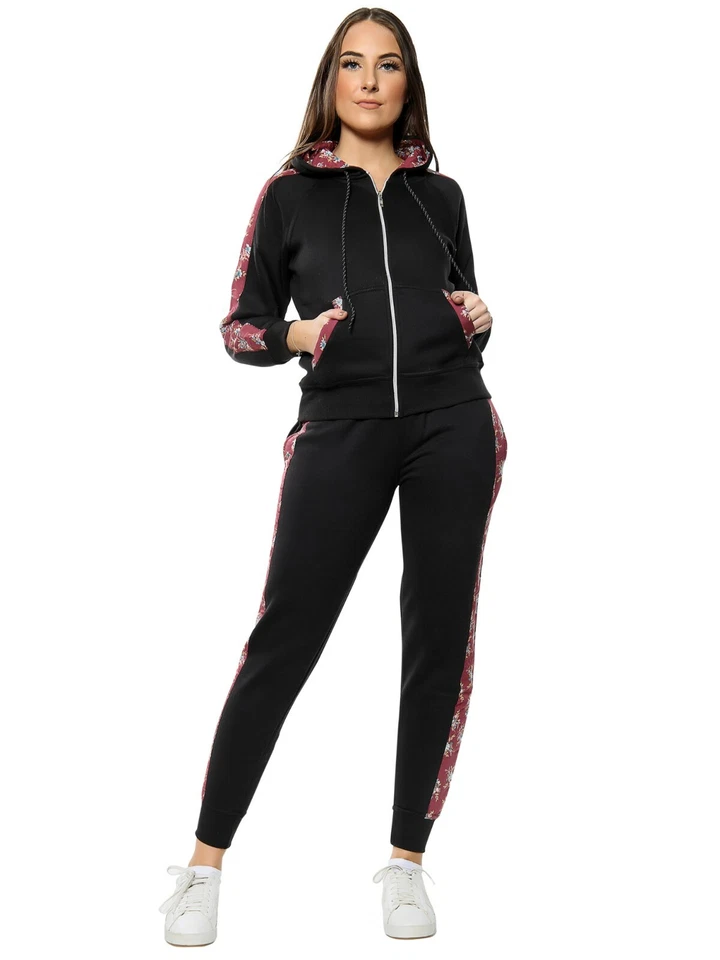

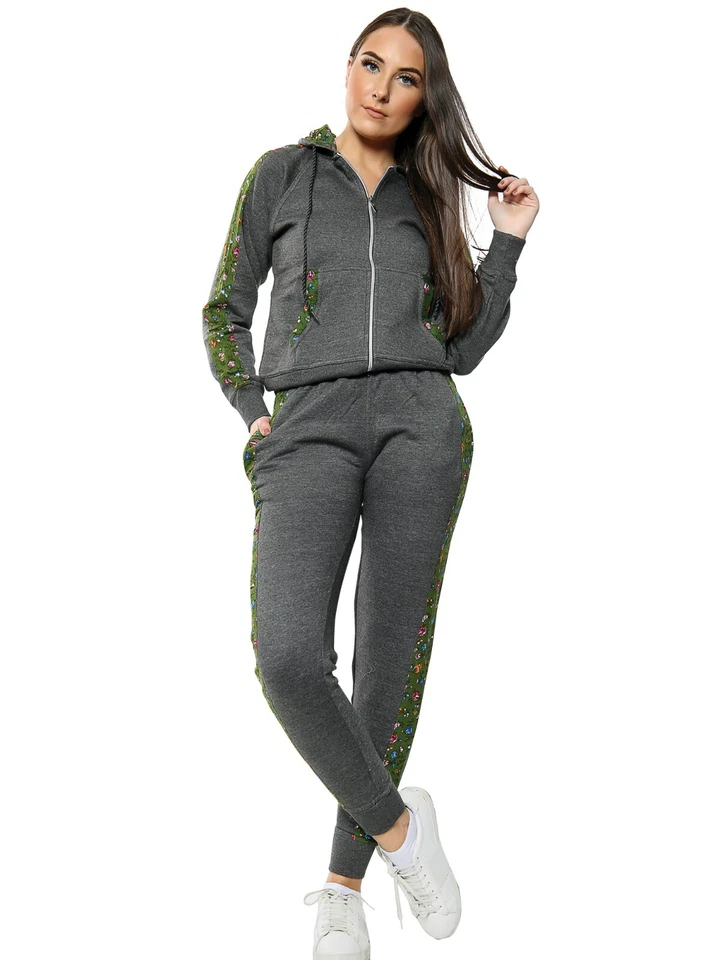
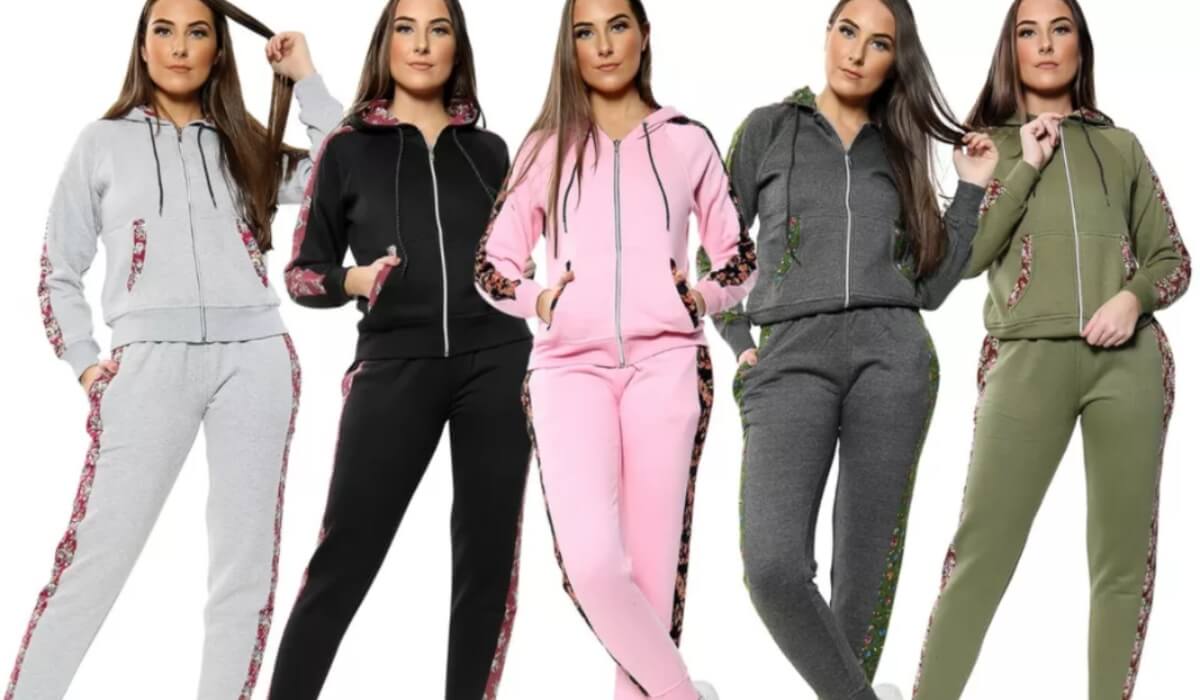
Womens 2PCS Loungewear Set Ladies Top Hoodies Suit Pants Lounge Wear Tracksuits GBP 16.99
Fast forward to the 20th century, and fashion became a tool for rebellion and innovation. The roaring ‘20s introduced flapper dresses as a symbol of freedom, while the ‘60s embraced bold prints and unisex clothing during social upheaval. Today, fashion is more inclusive, with designers celebrating diversity and sustainability.
Exploring Fashion Styles
Fashion is a tapestry of styles, each offering unique ways to express oneself. Here are some of the most prominent:
- Classic: Timeless and elegant, classic fashion emphasizes neutral colors, structured silhouettes, and high-quality fabrics. Think tailored blazers, pencil skirts, and leather loafers.
- Bohemian: Inspired by the free-spirited lifestyle, the bohemian style features flowing fabrics, earthy tones, and eclectic patterns. Maxi dresses, fringed accessories, and wide-brimmed hats are staples.
- Streetwear: Rooted in urban culture, streetwear combines casual, comfortable clothing with bold graphics and logos. Hoodies, sneakers, and oversized T-shirts dominate this genre.
- Avant-Garde: This style pushes boundaries with unconventional designs and artistic influences. Avant-garde fashion often includes asymmetrical cuts, unusual materials, and bold statements.
- Eco-Fashion: Sustainability is at the forefront of eco-fashion. This style prioritizes ethically sourced materials, recycled fabrics, and fair trade practices.
How to Develop Your Style
Building a wardrobe that reflects your style can be an exciting journey. Here’s how to get started:
- Know Yourself: Assess your lifestyle, preferences, and the image you want to portray.
- Experiment: Don’t be afraid to try new trends or mix and match styles.
- Invest in Basics: A strong foundation of versatile pieces like white shirts, dark jeans, and neutral coats can anchor your wardrobe.
- Accessorize: Accessories like scarves, jewelry, and belts can elevate any outfit.
- Prioritize Fit: Clothes that fit well can make a difference in how you feel and look.
The Role of Fashion in Sustainability
The fashion industry has a significant environmental impact, but the rise of sustainable fashion is paving the way for positive change. Consumers are opting for eco-friendly brands, second-hand shopping, and minimalist wardrobes. Designers, too, are embracing zero-waste patterns and biodegradable fabrics, proving that style and sustainability can go hand in hand.


Baldinini Trend women’s jacket & pants US $225.00
Conclusion
Fashion is more than just clothing that serves a practical purpose. It is a profound art form that embodies creativity, innovation, and the art of storytelling. Whether you wear a vintage find or a meticulously tailored ensemble, remember that your attire functions as a canvas that communicates your individuality to the world. Embrace the process of exploring and defining your style, allowing your wardrobe to serve as a mirror reflecting your distinctive narrative.
Also Read:
Leave a Reply