

Skincare is a crucial part of any beauty routine, playing a significant role in maintaining healthy and radiant skin. Investing time in a proper skincare regimen can help address specific concerns such as acne, fine lines, and dryness while also preventing premature aging. Professional skincare products are formulated with high-quality ingredients that cater to different skin types and issues, ensuring effective results.
Skincare
Consistency is key for skincare, as routine maintenance can lead to noticeable improvements over time. A well-crafted skincare routine should include cleansing, toning, moisturizing, and protection from the sun to keep the skin balanced and protected. Incorporating professional skincare treatments like facials, chemical peels, or microdermabrasion can further enhance the overall health and appearance of the skin. By prioritizing skincare with a professional approach, individuals can achieve clear, glowing, youthful-looking skin that radiates beauty and confidence.
FTC Disclosure: www.nennette.com may receive financial compensation when the affiliate link(s) on this page are clicked on, and a purchase is made.
Taking care of your skin is not just about looking good; it’s about maintaining your overall health and well-being. With countless products and routines available, building an effective skincare regimen can feel overwhelming. This guide will simplify the process and provide actionable steps for achieving radiant, healthy skin.
Understanding Your Skin Type
Before selecting products, it’s crucial to identify your skin type. This helps you choose ingredients that address your specific needs.
- Normal Skin: Balanced, neither too oily nor too dry.
- Oily Skin: Prone to shine and acne due to excess sebum.
- Dry Skin: Can feel tight, flaky, and dehydrated.
- Combination Skin: A mix of oily areas (often the T-zone) and dry patches.
- Sensitive Skin: Easily irritated by products or environmental factors.
The Core Steps of a Skincare Routine
A consistent skincare routine is the foundation of healthy skin. Here are the essential steps:
- Cleansing:
- Use a gentle cleanser to remove dirt, oil, and makeup.
- Avoid harsh soaps that strip your skin of natural oils.
- Toning:
- Toning helps restore your skin’s pH balance and remove any residue left after cleansing.
- Look for alcohol-free toners with soothing ingredients like chamomile or aloe vera.
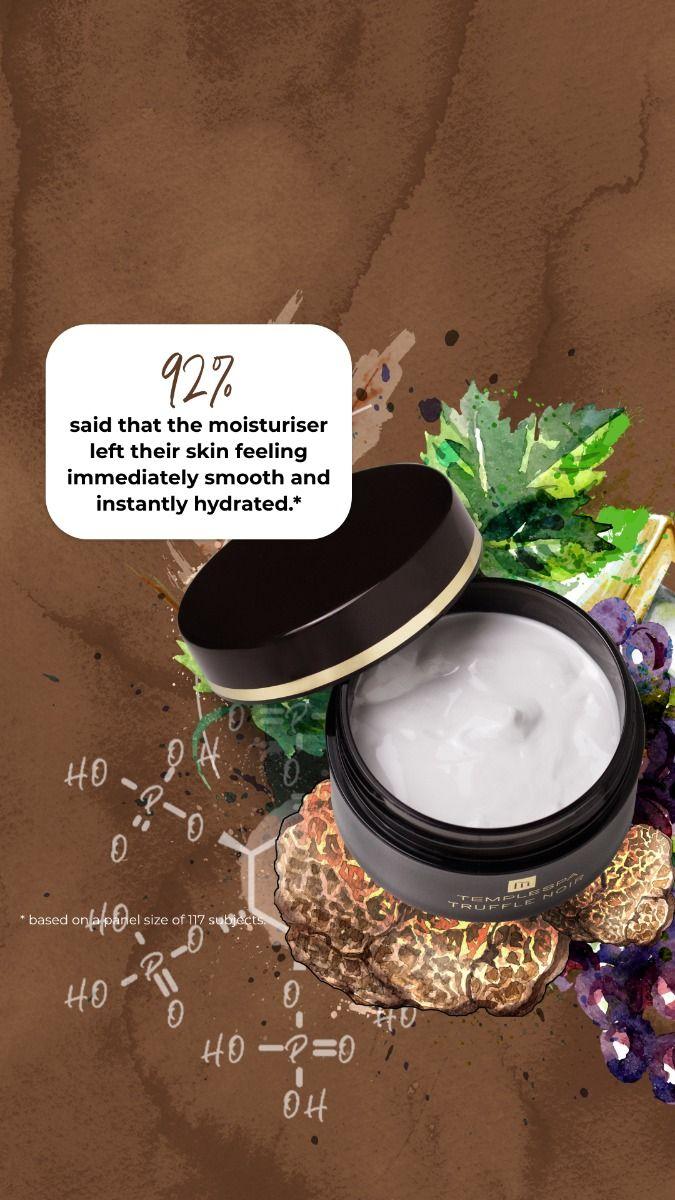
- Moisturizing:
- It keeps your skin hydrated and locks in moisture.
- Choose lightweight gels for oily skin and richer creams for dry skin.
- Sun Protection:
- Apply sunscreen with at least SPF 30 daily, even on cloudy days.
- It protects against premature aging and reduces the risk of skin cancer.
Targeted Treatments
In addition to the core routine, consider adding treatments tailored to your skin’s specific concerns:
- Acne: Look for products containing salicylic acid or benzoyl peroxide.
- Hyperpigmentation: Use serums with vitamin C or niacinamide.
- Fine Lines and Wrinkles: Incorporate retinol or peptides into your routine.
- Hydration Boost: Try hyaluronic acid serums for an extra layer of moisture.
Building Healthy Skincare Habits
- Stay Hydrated: Drink plenty of water to keep your skin hydrated from the inside out.
- Eat a Balanced Diet: Include foods rich in antioxidants, vitamins, and omega-3 fatty acids.
- Avoid Touching Your Face: This minimizes the transfer of dirt and bacteria.
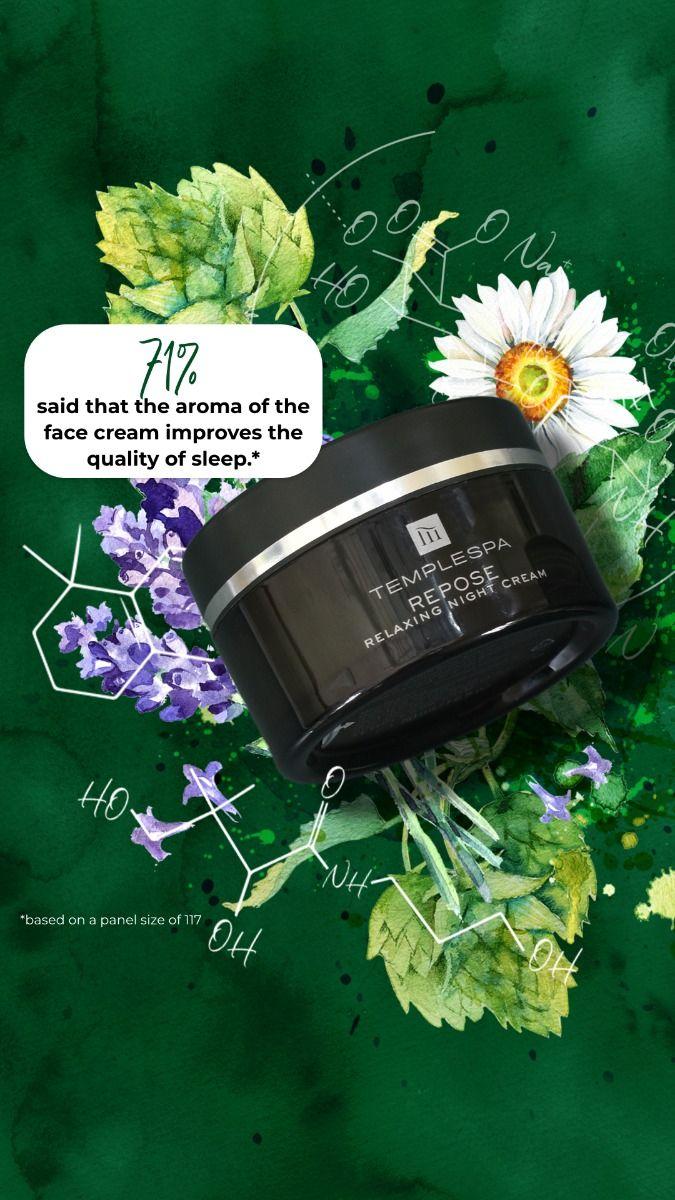
- Get Enough Sleep: Your skin repairs itself during sleep, so aim for 7-9 hours each night.
- Exercise Regularly: Physical activity improves blood circulation and gives your skin a natural glow.
Debunking Common Skincare Myths
- Myth: “Oily skin doesn’t need moisturizer.”
- Truth: Even oily skin benefits from hydration; opt for oil-free, non-comedogenic moisturizers.
- Myth: “Natural products are always better.”
- Truth: Natural doesn’t always mean safer or more effective. Focus on scientifically proven ingredients.
- Myth: “You only need sunscreen on sunny days.”
- Truth: UV rays can penetrate clouds and glass, so daily sunscreen is better.
Adapting Your Routine for Different Seasons
- Summer: Opt for lightweight, mattifying products and increase your SPF.
- Winter: Focus on rich moisturizers and hydrating masks to combat dryness.
- Spring/Fall: Transition slowly between summer and winter routines as your skin adjusts to changing temperatures.
When to See a Dermatologist
For persistent problems such as severe acne, eczema, or psoriasis, it is recommended to seek guidance from a dermatologist. Professional advice can save you time, money, and frustration.

Conclusion
Skincare is a journey, not a one-size-fits-all solution. By understanding your skin’s unique needs and adopting a thoughtful routine, you can achieve a healthy, glowing complexion. Remember to be patient and consistent—beautiful skin takes time and care!
Also Read: The Ultimate Bath and Body Routine
Leave a Reply