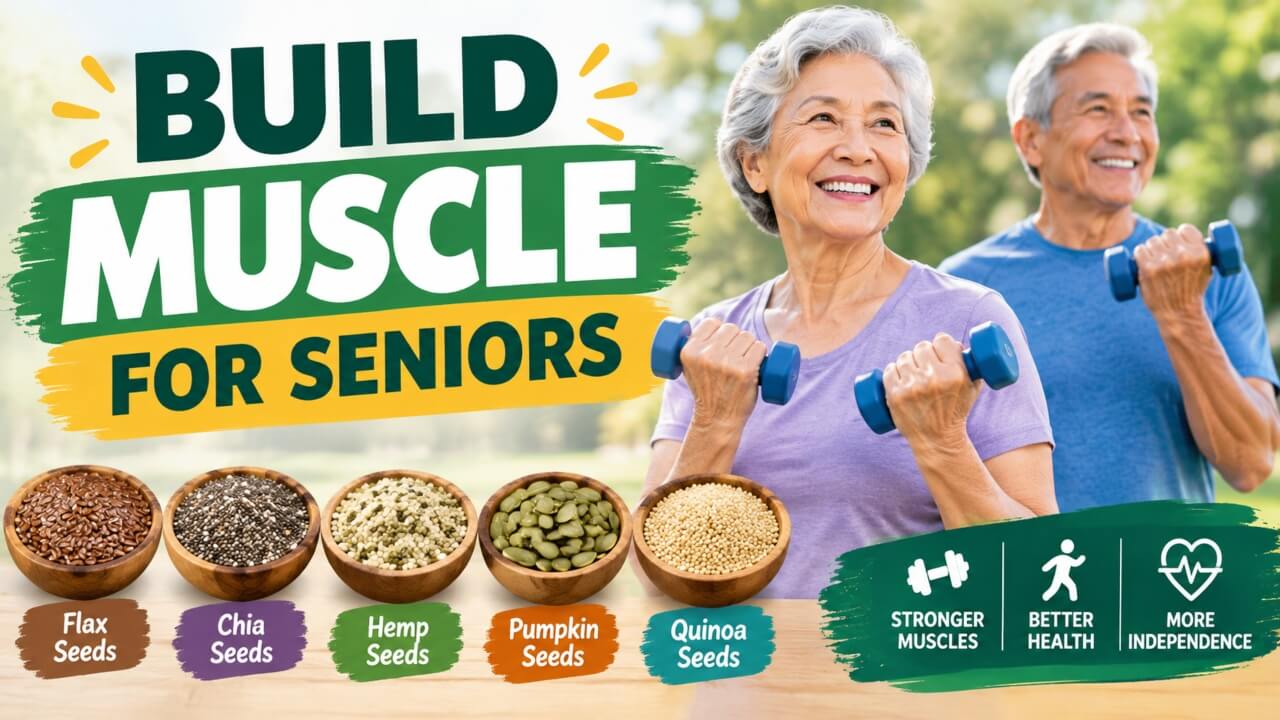
Building muscle is an essential aspect of overall health and well-being, especially for seniors. Engaging in strength training exercises can help older adults maintain or increase muscle mass, improve balance and coordination, and boost bone density. It’s important for seniors to focus on exercises that target major muscle groups, such as squats, lunges, and bicep curls, to promote muscle growth and functional strength.
Building Muscle
Additionally, incorporating proper nutrition, including adequate protein intake, is crucial for muscle development in seniors. Consulting a healthcare provider or a certified fitness professional to create a safe and effective workout routine tailored to individual needs, taking into account any existing health conditions or physical limitations, is highly recommended. Remember, consistency and gradual progression are key when striving to build muscle as a senior, promoting independence, mobility, and overall quality of life.
Introduction: Building Muscle and Stay Strong as You Age
Maintaining muscle strength is one of the most important aspects of healthy aging. As we grow older, our bodies naturally tend to lose muscle mass and strength, a process known as age-related muscle loss. Without proper nutrition and regular physical activity, this gradual change can make everyday activities—such as climbing stairs, carrying groceries, or getting up from a chair—more challenging.
FTC Disclosure: www.nennette.com may receive financial compensation when the affiliate link(s) on this page are clicked on and a purchase is made.
The good news is that healthy lifestyle habits can help older adults preserve muscle, improve physical function, and maintain independence. Alongside regular strength-training exercises, consuming enough protein and a variety of essential nutrients is an important part of a muscle-supporting diet.
Seeds are small but nutrient-dense foods that can contribute plant-based protein, healthy fats, fiber, vitamins, and minerals to everyday meals. Although no single seed can build muscle on its own, incorporating different seeds into a balanced diet can help support overall health and an active lifestyle.
Building Muscle
At Vital Years, we explore five nutritious options worth adding to your diet: flax seeds, chia seeds, hemp seeds, pumpkin seeds, and quinoa seeds.
1. Flax Seeds: Support Muscle Health and Overall Wellness
Flax seeds are well known for their nutritional value, particularly their plant-based omega-3 fatty acid called alpha-linolenic acid (ALA). They also provide fiber, protein, and other beneficial plant compounds.
Why Flax Seeds Are Beneficial for Seniors
- Plant-based protein: Flax seeds contribute protein to a varied diet that supports muscle maintenance.
- Healthy fats: Their ALA omega-3 fatty acids support cardiovascular health as part of a balanced eating pattern.
- Dietary fiber: Fiber helps support regular digestion and overall gut health.
- Lignans: These naturally occurring plant compounds have antioxidant properties.
How to Eat Flax Seeds
Ground flax seeds are generally easier to digest than whole flax seeds. Sprinkle one or two teaspoons over oatmeal, yogurt, or breakfast cereal, or blend them into a smoothie. They can also be added to homemade whole-grain bread.
READ:
Vital Years tip: Pair ground flax seeds with a protein-rich food, such as Greek yogurt or fortified soy yogurt, for a more balanced breakfast.
2. Chia Seeds: Small Seeds with Big Nutritional Benefits
Chia seeds are rich in fiber, provide plant-based omega-3 fatty acids, and contain protein and minerals, including calcium, magnesium, and phosphorus.
These nutrients can complement a healthy diet designed to support physical function as we age.
How Chia Seeds Support Healthy Aging
- Protein contribution: Chia seeds add some protein to meals and snacks.
- Mineral content: Calcium, magnesium, and phosphorus contribute to normal bone function and health.
- Fiber for digestion: Their high fiber content can help support bowel regularity when accompanied by adequate fluid intake.
- Healthy fats: Chia seeds provide ALA omega-3 fatty acids.
Easy Ways to Include Chia Seeds
Make chia pudding by mixing chia seeds with milk or fortified soy milk and refrigerating until thickened. You can also add them to oatmeal, smoothies, or yogurt.
Start with a small serving and increase gradually if needed, drinking enough fluids to help tolerate the added fiber. Avoid swallowing large spoonfuls of dry chia seeds, particularly if you have difficulty swallowing.
Vital Years tip: Prepare chia pudding with milk, soy milk, or yogurt to increase the meal’s overall protein content.
3. Hemp Seeds: A Convenient Source of Plant-Based Protein
Hemp seeds, often sold as shelled hemp hearts, are particularly useful for people seeking plant-based protein. They also provide unsaturated fats, magnesium, iron, and other nutrients.
Protein is essential for maintaining and repairing body tissues, including skeletal muscle. For older adults, distributing adequate protein across meals can help support the body’s response to resistance exercise.
Why Hemp Seeds Deserve a Place in Your Diet
- Protein: Hemp hearts provide a meaningful amount of plant-based protein relative to many other seeds.
- Essential fats: They contain unsaturated fats that contribute to a balanced diet.
- Magnesium: This mineral supports normal muscle and nerve function.
- Iron: Iron helps the body produce hemoglobin, which carries oxygen in the blood.
How to Eat Hemp Seeds
Add one to three tablespoons of hemp hearts to salads, oatmeal, soups, or smoothies. Their mild, nutty flavor also works well in homemade pesto and whole-grain dishes.
For a satisfying snack, combine hemp hearts with plain yogurt and fresh fruit.
Vital Years tip: Of these five options, hemp seeds are particularly convenient when you want to increase the protein content of a meal without adding a large volume of food.
4. Pumpkin Seeds: Nutrients for Strength and Everyday Function
Pumpkin seeds, also known as pepitas when shelled, provide plant-based protein, magnesium, zinc, iron, and unsaturated fats.
These nutrients support various functions throughout the body, making pumpkin seeds a useful addition to a balanced diet for older adults.
Pumpkin Seeds and Muscle Maintenance
- Protein: Helps contribute to daily protein needs.
- Magnesium: Supports normal muscle contraction, nerve function, and energy metabolism.
- Zinc: Plays a role in protein synthesis, immune function, and tissue repair.
- Iron: Supports oxygen transport and normal energy metabolism.
Pumpkin seeds are not a substitute for a protein-rich main meal, but they can help increase the nutritional value of snacks and meals.
Healthy Ways to Enjoy Pumpkin Seeds
Choose unsalted or lightly salted pumpkin seeds when possible. Sprinkle them over salads, vegetable soups, oatmeal, or roasted vegetables. You can also mix a small handful into homemade trail mix with unsweetened dried fruit.
Vital Years tip: Combine pumpkin seeds with chickpeas, beans, or edamame for a more substantial plant-based snack.
5. Building Muscle Quinoa Seeds: A Protein-Rich Addition to Balanced Meals
Quinoa is technically a seed rather than a true cereal grain. It is commonly prepared and eaten like rice or other grains and provides carbohydrates, protein, fiber, and minerals.
Quinoa contains all nine essential amino acids, making it a useful plant-based protein source. However, the protein content of a cooked serving is moderate, so it is best combined with other protein-rich foods when muscle maintenance is the goal.
Benefits of Quinoa for Older Adults
- Essential amino acids: Quinoa supplies all nine amino acids that must be obtained through food.
- Protein: Helps contribute to the daily intake needed to maintain body tissues.
- Complex carbohydrates: Provide energy for walking, exercise, and everyday activities.
- Minerals and fiber: Add nutritional variety to a balanced diet.
How to Include Quinoa in Your Meals
Rinse quinoa before cooking, then simmer it in water or low-sodium broth until tender. Serve it with beans, tofu, fish, eggs, or chicken for a more protein-rich meal.
Quinoa also works well in vegetable bowls, soups, stuffed peppers, and breakfast porridge.
Vital Years tip: For a muscle-supporting lunch, combine quinoa with grilled chicken or tofu, colorful vegetables, and a sprinkle of pumpkin or hemp seeds.
How to Combine These 5 Seeds for Better Building Muscle Support
The five seeds provide different nutritional benefits, but they work best as part of a broader eating pattern rather than as a stand-alone muscle-building solution.
| Seed | Key Nutritional Strength | Easy Serving Idea |
|---|---|---|
| Flax seeds | ALA omega-3 fats and fiber | Ground into oatmeal |
| Chia seeds | Fiber, ALA omega-3 fats, and minerals | Chia pudding |
| Hemp seeds | Plant-based protein and unsaturated fats | Added to yogurt or salads |
| Pumpkin seeds | Protein, magnesium, and zinc | Sprinkled over soups |
| Quinoa | Protein and essential amino acids | Served with tofu, fish, or beans |
Portion sizes should reflect your energy needs, appetite, digestion, and overall diet. Seeds are nutritious but energy-dense, so moderate portions can be helpful.
Beyond Seeds: Three Essential Habits for Building Muscle After 60
Nutrition is only one part of maintaining strength as you age. For the best results, combine a balanced diet with these practical habits.
1. Eat Enough Protein Throughout the Day
Include protein-rich foods at breakfast, lunch, and dinner. Options include eggs, dairy products, fish, poultry, tofu, beans, lentils, and soy products, as well as seeds.
Protein needs vary with age, activity, health conditions, and body size. Older adults should ask a qualified healthcare professional or registered dietitian about an appropriate daily target, especially if they have kidney disease or another condition requiring dietary adjustments.
2. Practice Regular Strength Training
Resistance exercises help stimulate muscle growth and maintain strength. Depending on your abilities, these may include chair squats, resistance-band exercises, wall push-ups, or supervised weight training.
Start at a manageable level and increase difficulty gradually. If you have balance problems, significant joint pain, or chronic health conditions, consult a healthcare professional before beginning a new exercise program.
3. Prioritize Sleep, Hydration, and Recovery
Muscles need time to recover between exercise sessions. Maintain a consistent sleep schedule, drink fluids regularly, and allow adequate rest after challenging workouts.
A sustainable routine that combines good nutrition, physical activity, sleep, and recovery is more beneficial than relying on a single food or supplement.
Building Muscle: Sample Daily Meal Ideas Featuring the Five Seeds
Here is a simple example of how seniors can incorporate these foods into everyday meals:
- Breakfast: Oatmeal with ground flax seeds, chia seeds, and milk.
- Morning snack: Plain Greek yogurt topped with hemp hearts.
- Lunch: Quinoa bowl with beans, vegetables, and olive oil.
- Afternoon snack: A small handful of unsalted pumpkin seeds with fresh fruit.
- Dinner: Fish, tofu, or chicken with vegetables and a whole-grain side dish.
These are suggestions rather than a prescribed diet. Adjust portions and ingredients according to your nutritional needs, preferences, and any medical dietary restrictions.
Conclusion: Building Muscle Small Seeds, Meaningful Steps Toward Stronger Aging
Building and maintaining muscle in later life is about more than one superfood. It requires a consistent combination of adequate nutrition, appropriate resistance exercise, quality sleep, and healthy daily habits.
Flax seeds, chia seeds, hemp seeds, pumpkin seeds, and quinoa each offer useful nutrients that can complement a muscle-supporting diet. Hemp seeds contribute convenient plant-based protein, quinoa supplies essential amino acids, pumpkin seeds provide magnesium and zinc, and flax and chia seeds add fiber and healthy fats.
Remember that seeds alone cannot prevent age-related muscle loss or replace a balanced diet and strength-training routine. However, small, sustainable dietary improvements can be a practical step toward maintaining strength, supporting independence, and enjoying a more active life.
At Vital Years, our goal is to help you age with strength, confidence, and vitality—one healthy habit at a time.
Disclaimer: nennette.com does not provide medical advice. The information in our videos—including text, graphics, images, and other content—is meant for educational purposes only. Always consult your doctor or a qualified health professional before making any health or lifestyle changes.
Leave a Reply